Blog

  • Bali Culinary and Street Food Tour: The Flavor-Packed Adventure You Didn’t Know You Needed

    Bali Culinary and Street Food Tour: The Flavor-Packed Adventure You Didn’t Know You Needed

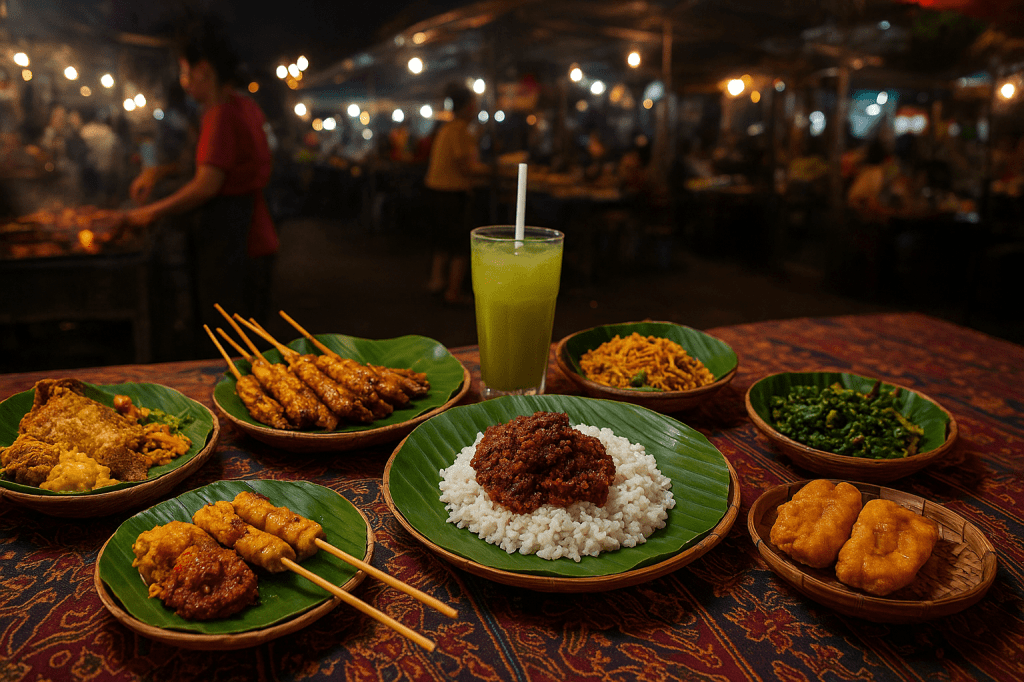
    If there’s one thing I always tell people when they ask me about traveling to Indonesia, it’s this: you can’t say you’ve really been to Bali without diving headfirst into a Bali culinary and street food tour. Forget just hanging around the beach with a smoothie bowl (though I won’t lie, those are tasty too). The real magic of Bali lives in its warungs, smoky roadside grills, and buzzing night markets where satay smoke dances in the humid air and every bite tells a story.

    I learned this the hard way. On my first trip years back, I stuck mostly to restaurants with Western-friendly menus—pizza here, smoothie bowls there—and yeah, they were fine. But I felt like I missed something. The second time I came around, a local friend dragged me into a tiny night market in Gianyar, and I realized instantly: “Oh. THIS is Bali.” Since then, every trip back has revolved around food, specifically hunting down street eats and understanding the stories behind them.

    So if you’re a traveler (or even a food blogger trying to inspire readers), you’ll want to know exactly how to plan, enjoy, and not totally mess up your street food adventures. And trust me, Bali doesn’t disappoint—it’s a full-on sensory overload.

    Read also: Affordable Bali Tour Driver with Car

    Why a Bali Culinary and Street Food Tour Beats Just Eating at Restaurants

    The thing about Bali is, it’s not only about what you eat, but where and how you eat it. A typical restaurant might give you a sanitized version of local dishes—nicer plating, cleaner tables, maybe a “safer” flavor profile toned down for tourists. But if you really want to taste that spicy sambal the way locals do, or hear the sizzling of satay skewers over open flames at 11 p.m., you need to be standing under a plastic tarp in a crowded night market.

    Street food here isn’t some side hustle—it’s an essential part of the economy and culture. Families pass down recipes through generations, vendors often specialize in a single dish (sometimes only cooking one thing for 30+ years), and there’s this energy around street food stalls that restaurants just can’t replicate.

    According to Indonesia’s Ministry of Tourism, street food culture contributes significantly to Bali’s local economy, both as a source of employment and as a driver for culinary tourism. In other words, when you’re munching on that sizzling babi guling sandwich, you’re not just eating—you’re supporting entire family livelihoods.

    And let’s be real: it’s cheaper. Where a mid-range restaurant might charge $8–12 for nasi campur, you can snag an authentic plate with more variety from a warung for about $2–3. That means you can eat more, explore more, and maybe even have enough left over for a cheeky Bintang beer.

    What to Expect from a Bali Culinary and Street Food Tour

    A proper food tour in Bali isn’t just about hopping from stall to stall. It’s an immersion. You’re learning about traditions, etiquette, and even the politics of food (yes, that’s a thing here). Depending on which area you’re exploring—Seminyak, Canggu, Ubud, Denpasar, or Gianyar—you’ll encounter totally different vibes.

    • In Ubud, it’s more laid-back, with local warungs tucked between yoga studios. Expect babi guling (suckling pig), nasi campur with fresh veggies, and artisanal twists on traditional snacks.
    • Denpasar? It’s where the locals eat. Bustling night markets, satay smoke filling the streets, vendors yelling over each other—it’s loud, chaotic, and honestly, kind of perfect.
    • Seminyak and Canggu lean more toward the fusion scene. You’ll still find legit warungs, but street food here sometimes collides with international trends.
    • In Gianyar Night Market, the food is wild, affordable, and deeply traditional. If you want the “real” Bali, this is the place.

    One thing I learned quickly: don’t expect menus or English translations everywhere. Sometimes, you just point at what looks good and hope for the best. And nine times out of ten, it is good.

    Must-Try Dishes on Any Bali Culinary and Street Food Tour

    I could write a book just on the dishes, but let me highlight a few that no traveler (or blogger writing about Bali food) should skip.

    Babi Guling (Suckling Pig)

    This dish is basically Bali on a plate. Traditionally prepared for ceremonies, babi guling has become a must-try street food. The pig is slow-roasted over a wood fire, stuffed with spices like turmeric, coriander, lemongrass, and garlic. The skin turns golden and crispy while the meat stays ridiculously tender.

    I still remember standing outside a warung in Ubud at 10 a.m., clutching a paper plate of babi guling while sweat dripped down my back. Breakfast food? Sure, why not. That mix of crunchy skin, spicy lawar (chopped veggies and coconut), and fluffy rice still sticks with me.

    Satay Lilit

    Forget what you know about satay from Thailand or Malaysia. Bali’s version—satay lilit—is unique. Minced fish, coconut, and herbs are mashed together and wrapped around lemongrass sticks before being grilled. The result is smoky, slightly sweet, and packed with flavor. It’s also easier to eat with one hand while you’re juggling a coconut water in the other.

    Nasi Jinggo

    Tiny but mighty, nasi jinggo is Bali’s street food equivalent of a grab-and-go snack. A small portion of rice with sambal, fried noodles, shredded chicken or beef, wrapped neatly in banana leaves. You’ll see locals grab these for breakfast, late-night munchies, or even after temple visits. Costs less than a dollar.

    Pisang Goreng

    Yes, fried bananas. But Bali’s version often comes with palm sugar, grated cheese, or even chocolate drizzles. Some nights, this has been my dinner. No regrets.

    Lawar

    A traditional mix of chopped meat (sometimes even raw), grated coconut, vegetables, and spices. There are different types—lawar merah (red, often with blood), lawar putih (white, no blood). I know that might sound intimidating, but it’s insanely flavorful if you’re brave enough to try.

    Navigating Street Food Safely Without Killing Your Stomach

    Okay, let’s talk about the elephant in the room: Bali belly. I won’t sugarcoat it—it happens. I got it once, early on, after eating a satay skewer that had been sitting out a little too long. Learned my lesson the hard way.

    Here’s what I do now to avoid getting sick (and what I tell all my travel buddies):

    • Stick to stalls with a crowd. If locals are lining up, that’s a good sign the food is fresh.
    • Watch how they handle food. If the vendor reheats skewers properly or serves straight off the grill, you’re safer.
    • Drink bottled water or bring a reusable filtered bottle. Don’t take ice unless you’re sure it’s purified.
    • Start slow. Don’t jump into sambal overload on your first night, or your stomach will protest.

    Honestly, some people get overly paranoid and miss out. But in my experience, being cautious but not fearful works best.

    When to Take a Bali Culinary and Street Food Tour

    Timing is everything. While you can find warungs open all day, the real street food magic happens after the sun goes down. Night markets usually start buzzing around 5 or 6 p.m. and go until midnight. That’s when families come out, kids run between tables, and the atmosphere feels electric.

    Daytime is better for warung-hopping—grabbing nasi campur, mie goreng, or a quick kopi Bali. If you’re planning a structured food tour (with a guide), they’ll usually design it around these times anyway.

    Avoid hitting the markets right at 7 p.m. when everyone else does. I like going at 6 p.m., when things are just getting started. You get fresher food, smaller crowds, and sometimes vendors are more open to chatting.

    The Social Side of Eating Street Food in Bali

    One of the things that surprised me most? How social street food is here. It’s not like grabbing a quick bite on the go. People linger, gossip, laugh, and share food across plastic tables. I once sat next to an older Balinese man at a satay stall in Denpasar. He didn’t speak much English, I didn’t speak Balinese, but we ended up sharing skewers, nodding, and laughing through the spice-induced tears.

    That’s the magic of food here—it breaks down barriers. And if you’re a blogger or content creator, these moments are gold. They add depth to your stories, turning a “here’s what I ate” post into something meaningful.

    Where to Book an Organized Bali Culinary and Street Food Tour

    Now, if you’re the adventurous type, you can totally DIY your food hunt. But if you’re new or want to make sure you cover all the bases, booking an organized tour can be worth it. They usually run about $30–50 per person, depending on how fancy they get.

    A good tour will:

    • Take you to both popular and hidden stalls.
    • Teach you about food history and cultural context.
    • Include some safer options if you’re worried about hygiene.
    • Handle transport, which is handy if you’re hitting multiple spots.

    I once did a walking tour in Ubud where we sampled ten dishes in three hours. It was wild. By the end, I was so stuffed I couldn’t move, but I also left with a notebook full of dish names, stories, and even a sambal recipe I still use at home.

    Budgeting for a Bali Culinary and Street Food Tour

    Here’s the thing: you don’t need to spend much. If you’re DIY-ing, $10–15 is more than enough for a night of feasting, drinks included. If you’re booking a structured tour, then it’ll cost more, but you’re also paying for convenience and local insight.

    For food bloggers or influencers, honestly, this is one of the best content investments you can make. You get endless photos, stories, and SEO-friendly material (because trust me, people are searching “best street food in Bali” nonstop).

  • Affordable Bali Tour Driver with Car: Your Ultimate Guide to Hassle-Free Exploring

    Affordable Bali Tour Driver with Car: Your Ultimate Guide to Hassle-Free Exploring

    Bali is paradise, no doubt about it. But you know what’s not paradise? Trying to navigate Bali’s winding roads, unpredictable traffic, and scooter-packed streets while squinting at Google Maps. That’s why finding an affordable Bali tour driver with car is an absolute game-changer.

    I’ve been to Bali more times than I can count (okay, maybe five), and trust me—hiring a private driver is one of the best decisions you can make. Not only does it save you from stress-induced gray hairs, but it also lets you explore the island at your own pace, without the headache of haggling over taxi fares or figuring out if GoJek can even reach that hidden waterfall you found on Instagram.

    Now, let’s get into everything you need to know about hiring a private Bali driver—what it costs, how to find the best one, and what to watch out for.

    Check also: Hiring a Bali Driver vs Renting a Scooter

    Why You Need a Bali Tour Driver with a Car

    First things first—do you really need a private driver? I mean, you could rent a scooter for cheap, but if you’re not used to Bali’s roads (or if the idea of weaving through traffic alongside trucks and 50 other scooters makes your palms sweaty), a driver is 100% worth it. Here’s why:

    • No stress about getting lost – Google Maps is okay, but it doesn’t always account for the tiny, barely-there roads you need to take to reach certain spots. A local driver? They know all the shortcuts.
    • It’s actually affordable – You’d be surprised how cheap it is to have a car and driver for the whole day. Prices start at around IDR 500,000 to 700,000 ($30–$45 USD) for up to 10 hours, including fuel.
    • Way more comfortable – Bali is humid, and after a long day of exploring temples and waterfalls, stepping into an air-conditioned car feels like heaven.
    • They double as a local guide – Many drivers know the best places to eat, which temples have free entrance at certain times, and how to avoid tourist traps. Some will even act as your photographer (a huge win if you’re traveling solo!).

    How Much Does a Private Bali Driver Cost?

    Alright, let’s talk money. Because yes, it’s affordable—but let’s break down exactly what you’re paying for.

    Daily Rates for a Bali Tour Driver

    Most drivers charge a flat rate per day, usually including fuel and parking fees. Here’s what you can expect:

    • Half-day (4-5 hours): IDR 350,000 – 500,000 ($22–$35 USD)
    • Full-day (8-10 hours): IDR 500,000 – 800,000 ($30–$50 USD)
    • Extra hours: IDR 50,000 – 100,000 ($3–$6 USD) per hour

    Factors That Affect Pricing

    • Distance & destinations – If you’re going from Seminyak to Ubud, easy. But if you want to hit the far-off waterfalls in North Bali, expect to pay on the higher end.
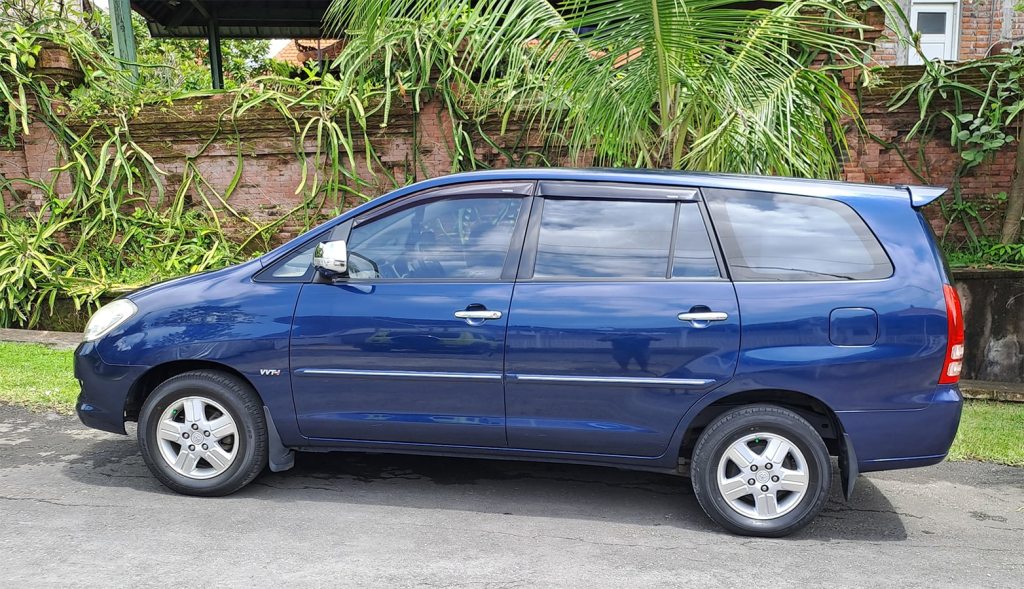
    • Vehicle type – A standard Toyota Avanza (fits 4-5 people) is the norm, but if you need a bigger car like a Toyota HiAce, it’ll cost more.
    • Season & demand – Prices tend to go up in July-August and December-January because of peak tourist season.
    • Driver’s English skills – A fluent English-speaking driver usually charges a bit more, but trust me—it’s worth it. Miscommunication in a foreign country? No fun.

    How to Find the Best Affordable Bali Tour Driver with Car

    Not all drivers are created equal. Some are amazing, friendly, and genuinely helpful—others? Let’s just say you don’t want to end up with someone who spends half the trip scrolling through WhatsApp.

    Where to Book a Bali Tour Driver

    1. Word of Mouth & Recommendations – If you have friends who’ve been to Bali, ask them! Personal recommendations are gold.
    2. Facebook Groups – Search “Bali travel tips” or “Bali drivers” on Facebook, and you’ll find tons of recommendations from travelers.
    3. Online Platforms – Websites like BaliCab and Klook offer pre-vetted drivers with reviews, so you know what you’re getting.
    4. Hotels & Villas – Most accommodations can arrange a driver for you, though they might charge a small commission.
    5. Ask a Local – If you’re at a beach club or a local warung, ask the staff. They usually have a cousin or friend who does private driving.

    Red Flags to Watch Out For

    • Too cheap to be true – If a driver offers you a full day for IDR 200,000, be wary. They might try to take you to commission-based shops instead of the places you actually want to go.
    • Pushy about itineraries – A good driver should take your preferences into account, not force you to visit places where they get kickbacks.
    • Sketchy communication – If they take forever to reply, cancel last minute, or seem uninterested in your questions, move on.

    Best Places to Visit with a Private Bali Driver

    If you’re hiring a driver, you might as well make the most of it. Here are some epic day trips you can take:

    1. Ubud & Surroundings

    Tegallalang Rice Terraces, Monkey Forest, Tirta Empul Temple, Tegenungan Waterfall, Campuhan Ridge Walk

    • Best for: Nature lovers, culture seekers
    • Drive time: ~1 hour from Seminyak
    1. Uluwatu & South Bali

    Uluwatu Temple, Padang Padang Beach, Melasti Beach, Jimbaran seafood dinner

    • Best for: Sunset chasers, beach lovers
    • Drive time: ~45 min from Canggu
    1. North Bali Adventure

    Handara Gate, Ulun Danu Beratan Temple, Sekumpul Waterfall, Banyumala Twin Waterfalls

    • Best for: Waterfall hunters, Instagram spots
    • Drive time: ~2.5 hours from Ubud
    1. East Bali Hidden Gems

    Lempuyang Temple, Tirta Gangga, Virgin Beach, Taman Ujung Water Palace

    • Best for: Off-the-beaten-path explorers
    • Drive time: ~2 hours from Seminyak

    Hiring an affordable Bali tour driver with car makes your trip so much easier, plus you get a friendly local guide who knows all the ins and outs of the island. Trust me—you’ll thank yourself later when you’re chilling in an air-conditioned car instead of sweating on a scooter in Ubud traffic.

    How to Customize Your Bali Tour with a Private Driver

    One of the biggest perks of hiring an affordable Bali tour driver with car is that you call the shots. Unlike group tours, where you’re stuck with a rigid schedule (and a bus full of strangers), a private driver gives you total flexibility. You wake up late? No problem. Want to spend an extra hour at a beach club? Done.

    Here’s how to plan the perfect customized Bali day trip with your driver:

    1. Plan Your Must-See Spots (But Stay Flexible!)

    has so much to offer, and it’s easy to get carried away. Instead of cramming 10 places into one day, stick to 4-5 key stops max. This gives you enough time to actually enjoy each place instead of spending the whole day rushing from one location to another.

    For example, if you’re doing a Ubud day trip, you might want to hit up:

    • Tegallalang Rice Terraces
    • Tirta Empul Temple
    • Tegenungan Waterfall
    • A cool café for lunch (like Cretya or Akasha)
    • A sunset swing at Cretya or a relaxing spa session

    Your driver can suggest the best order based on traffic and time of day. Plus, if a spot looks too crowded or you want to skip something, you can always change plans on the go.

    1. Ask Your Driver for Secret Spots

    This is where having a local driver pays off. Most tourists visit the same handful of places, but a knowledgeable driver can take you to hidden waterfalls, uncrowded beaches, or lesser-known temples.

    One time, my driver took me to Tibumana Waterfall, and it was practically empty—just a couple of locals swimming in the pool beneath the falls. Compare that to Tegenungan, where you’ll be dodging selfie sticks left and right. If you love off-the-beaten-path adventures, tell your driver, and they’ll know just where to go.

    1. Factor in Traffic & Drive Time

    Bali’s traffic can be brutal, especially in areas like Seminyak, Canggu, and Ubud. What looks like a 30-minute drive on Google Maps can easily turn into an hour during peak times.

    To avoid spending half your day stuck in traffic:

    • Start early – Most touristy spots get packed by 10 AM. Leaving at 7 or 8 AM gives you a head start.
    • Avoid rush hour – 4-7 PM is the worst, especially in South Bali. If possible, plan to be somewhere scenic (like Uluwatu Temple for sunset) instead of sitting in traffic.
    • Pick a region and stick to it – Trying to visit Uluwatu and Ubud on the same day? Not a good idea. Plan your day around one general area to maximize your time.
    1. Add Some Chill Time

    It’s easy to get so caught up in sightseeing that you forget to relax. But Bali isn’t just about temples and waterfalls—it’s also about soaking up those laid-back island vibes.

    If you’re doing a day trip to Uluwatu, for example, leave some space in your itinerary for a beach club like Sundays Beach Club, Ulu Cliffhouse, or The Edge. Or if you’re in Ubud, schedule a massage at Karsa Spa or Maya Ubud before heading back to your hotel.

    The best part? Your driver will wait for you. Unlike taxis, where you have to keep booking new rides, your private driver is your ride for the day. So take your time, enjoy the moment, and don’t feel rushed.

    What to Expect from Your Bali Driver (and What Not to Expect)

    Most Bali drivers are super friendly, reliable, and happy to help, but it’s good to set expectations so there’s no confusion.

    What a Good Bali Driver Will Do

    • Pick you up on time and follow your planned itinerary (while offering helpful suggestions).
    • Drive safely and navigate Bali’s sometimes crazy roads with ease.
    • Help with parking fees, entrance fees, and finding ticket counters.
    • Recommend restaurants, hidden spots, and cool local experiences.
    • Act as a guide at some places (if they have knowledge of the site).

    What a Bali Driver Won’t Do

    • Act as a professional tour guide (unless they’re licensed for that).
    • Cover entrance fees—these are on you!
    • Provide unlimited free extra hours—most charge extra if you go over your agreed time.
    • Magically avoid all traffic (unfortunately, Bali jams are unavoidable sometimes).
    • Carry your bags (they’ll help with small stuff, but don’t expect a porter service).

    The key to a smooth experience? Clear communication. Before your trip, confirm things like:

    • Total price (including fuel and parking)
    • Pickup time and location
    • Any extra fees for longer trips or extra hours
    • If they speak good English (if that’s important to you)

    Common Mistakes Travelers Make When Hiring a Bali Driver

    Even though hiring a private driver is one of the easiest ways to explore Bali, I’ve seen some people make avoidable mistakes. Learn from them, and your trip will be smooth sailing.

    1. Booking Last Minute in High Season

    If you’re traveling in July-August or December-January, book your driver at least a few days in advance. Good drivers get fully booked fast, and you don’t want to end up scrambling for an overpriced last-minute option.

    1. Not Agreeing on a Price Beforehand

    Most drivers are honest, but it’s always smart to confirm the full price upfront. Some cheaper drivers might try to charge extra for things like fuel, parking, or extra stops. Get everything in writing via WhatsApp so there’s no confusion later.

    1. Trying to Cram Too Much in One Day

    I get it—Bali has a lot to see. But trying to visit 10 places in one day will leave you exhausted and frustrated. Stick to a well-planned route with 4-5 key stops, and you’ll actually enjoy the experience.

    1. Not Checking Reviews or Asking for Recommendations

    A quick Google or Facebook search for “best Bali private driver” will bring up loads of reviews. Check them! If you’re booking through a tour site, look for one with a solid 4.5+ star rating.

    1. Forgetting to Tip for Great Service

    Tipping isn’t mandatory in Bali, but if your driver goes above and beyond (like taking great photos for you or suggesting awesome local spots), a small tip of IDR 50,000-100,000 ($3–$7 USD) is a nice way to say thanks.

    So, Is Hiring a Bali Tour Driver Worth It?

    If you want a stress-free, comfortable, and affordable way to explore Bali, hiring a private driver is hands-down the best choice. For just $30–$50 per day, you get personalized service, local insights, and the freedom to explore at your own pace—without the hassle of navigating Bali’s chaotic traffic.

    And let’s be real—after a long day of exploring waterfalls, temples, and beaches, there’s nothing better than sinking into the backseat of an air-conditioned car while your driver handles the road. No stress, no wasted time, just pure Bali magic.

    So go ahead, find yourself a solid Bali tour driver with a car, plan your dream itinerary, and get ready for an unforgettable adventure.

  • Hiring a Bali Driver vs Renting a Scooter: What’s Best for Your Trip?

    Hiring a Bali Driver vs Renting a Scooter: What’s Best for Your Trip?

    Hiring a Bali Driver vs Renting a Scooter – Bali is paradise, no doubt. But the real question is—how are you gonna get around? Some people swear by renting a scooter. Others say hiring a Bali driver is the way to go. The truth? It depends on what kind of traveler you are, how comfortable you are with Bali’s chaotic roads, and whether you want to deal with navigation stress. Let’s break it down, so you don’t end up regretting your choice halfway through your trip.

    Why Your Transport Choice in Bali Matters More Than You Think

    You ever plan a trip thinking it’ll be all smooth sailing, only to get there and realize you seriously underestimated something? That’s transport in Bali. The island looks small on a map, but the traffic, road conditions, and unpredictable weather can turn what should be a 30-minute ride into an hour-long ordeal.

    Read also: Best Time to Visit Bali for a Relaxing Vacation

    Here’s the deal: Bali’s roads aren’t exactly beginner-friendly. Scooters zip in and out, big trucks take up half the street, and tourists with no experience riding a motorbike make things even trickier. If you’re not prepared, you could end up in a minor (or major) accident. And trust me, you do NOT want to deal with a hospital visit on vacation.

    But, on the flip side, hiring a driver isn’t always the perfect solution either. Some drivers overcharge, some take you to tourist traps for commission, and some just aren’t that reliable.

    Renting a Scooter in Bali: Freedom, Cheap Prices, and a Bit of Risk

    Why People Love Renting Scooters

    If you’re the kind of person who loves doing things on your own, renting a scooter in Bali might feel like the ultimate travel flex. It’s cheap, gives you total independence, and lets you weave through traffic instead of sitting in it.

    • Super affordable – You can rent a scooter for around 50,000 to 80,000 IDR per day ($3-$5 USD), and gas costs next to nothing.
    • No waiting around – No need to coordinate with a driver, you just hop on and go.
    • You can explore anywhere – Tiny streets, hidden beaches, remote waterfalls—scooters let you go places a car can’t.

    The Risks of Renting a Scooter in Bali

    Before you get too excited, let’s talk about why renting a scooter in Bali can be a terrible idea for some people.

    • Traffic is wild – If you’ve never ridden a scooter before, Bali is NOT the place to learn. Locals drive fast, and traffic rules are more like suggestions.
    • Accidents happen—A LOT – Every single day, tourists crash their scooters. Some get away with just scrapes. Others end up in hospitals with hefty medical bills.
    • Road conditions aren’t great – Potholes, unexpected roadblocks, and steep hills can make riding risky, especially if you’re not used to it.
    • Police stops & scams – If you don’t have an international driving permit (IDP), police can fine you. And some officers look for any excuse to get a bribe.

    Who Should Rent a Scooter in Bali?

    If you’re a confident rider, have an international license, and are comfortable with the idea of weaving through chaotic traffic, renting a scooter can be awesome. But if you’ve never touched a motorbike in your life, Bali is NOT the place to learn.

    Hiring a Bali Driver: Stress-Free Travel with a Local Guide

    Why Hiring a Bali Driver is the Smart Choice

    If the idea of dealing with Bali’s roads stresses you out, hiring a private driver might be the best decision you make. It’s pricier than a scooter, but you get safety, comfort, and local insights all rolled into one.

    • You don’t have to worry about traffic – Let someone else handle the chaos while you sit back and enjoy the scenery.
    • Perfect for day trips – Want to hit multiple spots in a day? A driver makes it easy, and you won’t arrive at each location sweaty and exhausted.
    • It’s safer – No need to worry about accidents, road conditions, or getting lost.
    • You get a local guide – A good driver will give you tips, recommend spots, and even help you avoid tourist traps.

    How Much Does It Cost to Hire a Bali Driver?

    Prices vary depending on how far you’re going and whether you’re hiring a driver for a full day or just a short trip.

    • Half-day trips: Around 400,000 – 500,000 IDR ($26-$33 USD)
    • Full-day hire (8-10 hours): Around 650,000 – 1.300,000 IDR ($32-$86 USD)
    • Airport transfers: Around 200,000 – 900,000 IDR ($13-$60 USD)

    Prices can go up if you’re traveling long distances (like Ubud to the northern waterfalls).

    Potential Downsides of Hiring a Driver

    While hiring a driver in Bali is pretty hassle-free, there are some things to keep in mind:

    • Some drivers take you to touristy spots – Some work with businesses and get commissions for bringing tourists, so always be clear about where you want to go.
    • Costs add up – If you’re on a super tight budget, daily driver fees might feel expensive compared to a $5/day scooter rental.
    • Availability can be an issue – During peak season, good drivers get booked up fast, so plan ahead.

    Who Should Hire a Bali Driver?

    If you’re traveling with kids, in a group, or just don’t want to deal with Bali’s crazy roads, hiring a driver is 100% worth it. Also, if you’re planning on visiting places far apart (like Uluwatu, Ubud, and North Bali), a driver is way more comfortable than a scooter.

    So, Which One is Best for You?

    Renting a Scooter

    • Cost: $3-$10 per day
    • Safety: Risky if inexperienced
    • Convenience: Total freedom
    • Best For: Solo travelers, experienced riders

    Hiring a Bali Driver

    • Cost: $32-$86 USD per day
    • Safety: Very safe
    • Convenience: No stress
    • Best For: Families, groups, long distances

    If you’re confident on a scooter and want the freedom to explore, renting a motorbike can be a game-changer. But if you’re nervous about traffic, traveling with others, or want a stress-free experience, hiring a Bali driver is 100% worth the money.

    Extra Costs and Hidden Fees You Should Know About

    Renting a Scooter: What’s Not Included in That $5/Day Rental?

    Scooter rental in Bali looks dirt cheap at first glance, but there are hidden costs people don’t always talk about.

    • Gas money: While scooters are fuel-efficient, you’ll still need to top up. A full tank costs around 30,000–50,000 IDR ($2–$3 USD), but if you’re riding long distances, you’ll need to refuel often.
    • Helmet rental: Some rental shops try to charge extra for helmets (which is illegal). Always insist on a free helmet—don’t ride without one.
    • Damage fees: Scratches, dents, or any kind of damage? Expect the rental shop to charge you way more than it actually costs to fix. Some places even try to scam tourists with fake damage claims. Take pictures of the scooter before leaving the shop.
    • Police fines (or bribes): If you don’t have an international driving permit (IDP), you might get pulled over and fined 200,000–500,000 IDR ($13–$32 USD). Some officers might “suggest” a bribe, but technically, paying the official fine at a police station is the legal way to handle it.
    • Travel insurance: If you crash, you’ll need to pay for medical bills out of pocket unless your travel insurance covers scooter accidents. Many policies require you to have an IDP and wear a helmet for coverage.

    Total potential costs per day: $5 rental + $3 gas + potential fines or damage fees. If you’re lucky, it stays cheap. If not, it could cost hundreds.

    Hiring a Bali Driver: What You Might End Up Paying Extra For

    Private drivers in Bali usually offer flat rates, but sometimes, there are extra fees that can sneak up on you.

    • Entrance fees & parking: Drivers don’t cover entrance tickets to temples, waterfalls, or attractions. Expect to pay 10,000–100,000 IDR ($1–$7 USD) per site, plus small parking fees.
    • Toll roads & long distances: If you’re heading to places like Nusa Dua or North Bali, some drivers charge extra for tolls or long distances. Always confirm pricing upfront.
    • Tips: Not required, but if your driver is great, tipping 50,000–100,000 IDR ($3–$7 USD) is appreciated.
    • Overtime fees: Most drivers include 8–10 hours in their rate. If you go over, some charge an extra 50,000–100,000 IDR per hour ($3–$7 USD).

    Total potential costs per day: $35 base price + entrance fees + tip. Still reasonable for stress-free travel.

    Weather & Road Conditions: What Most Tourists Don’t Consider

    Rainy Season = Nightmare for Scooter Riders

    If you’re visiting Bali between November and March, expect heavy rain—and when I say heavy, I mean monsoon-level downpours.

    • Scooter riding in the rain is dangerous. Roads get slippery, and visibility gets terrible. Imagine trying to brake on a steep hill while rain is pouring down.
    • Many rental scooters don’t have great tires or brakes. Shops don’t always maintain their bikes well, so if you’re renting, double-check the brakes before leaving.
    • Ponchos don’t save you from getting soaked. Locals sell them for 10,000–20,000 IDR ($1–$2 USD), but if it’s really raining, expect your shoes, backpack, and seat to be drenched.

    If you’re renting a scooter during rainy season, you need to be extra careful, or just accept that you might need a driver on bad-weather days.

    Road Quality Varies—A Lot

    • Ubud & Northern Bali: Roads are winding, steep, and sometimes full of potholes. If you’re not experienced, these roads can be dangerous on a scooter.
    • Canggu & Seminyak: Traffic is insane, especially during peak hours. It’s not fun getting stuck in the chaos on a hot afternoon.
    • Uluwatu & Nusa Penida: Many roads here are unsealed and rocky, making scooters tricky to navigate—especially if you’re riding with a passenger.

    If you’re sticking to short distances (like Canggu to Seminyak), a scooter is fine. But for long, bumpy rides, a car is much safer.

    How to Avoid Scams (Both for Scooters & Drivers)

    Unfortunately, scams are common in Bali, especially for first-time visitors. Here’s what to watch out for:

    Scooter Rental Scams

    1. Fake damage claims – Rental shops may claim you scratched the bike and demand payment. Take photos & videos before leaving.
    2. Overcharging for repairs – Some shops exaggerate repair costs. If you damage the bike, take it to an independent repair shop for a real price quote.
    3. Low fuel on pickup – Some rentals give you an “empty” tank, so you have to refuel immediately. Check the gauge before you leave.
    4. Switching keys – Some scammers switch your key while you’re at a tourist spot, then “find” your bike and demand money to return it. Always park in secure areas.

    Private Driver Scams

    1. Tourist trap routes – Some drivers take you to overpriced restaurants or shops where they get commission. Tell them exactly where you want to go.
    2. Changing the price mid-trip – Always confirm the price upfront before getting in the car.
    3. Fake taxi drivers at the airport – Stick to official taxis or pre-booked rides to avoid getting overcharged.

    Mix & Match: The Best Transport Plan for Different Travelers

    Instead of picking just one option, the smartest travelers mix & match based on what they’re doing each day.

    Best Combo for a Smooth Bali Trip

    • Short trips (beach hopping, nearby cafes)? Rent a scooter.
    • Long day trips (Ubud, waterfalls, temples)? Hire a driver.
    • Rainy days or nights out drinking? Definitely use a driver.
    • First-time visitors unsure about traffic? Start with a driver, then try a scooter once you’re comfortable.

    So, should you hire a Bali driver or rent a scooter? The answer is: it depends on how confident you are on the road and what kind of trip you want.

    • If you’re all about adventure, love the thrill of weaving through traffic, and don’t mind a few risks, a scooter is fun and cheap.
    • If you want a stress-free experience, someone to help navigate, and a safer way to travel longer distances, a private driver is worth every penny.

    Whichever you choose, just be smart about it. Bali’s an amazing place, but transport can make or break your trip—so pick wisely and enjoy the ride!

  • Best Time to Visit Bali for a Relaxing Vacation

    Best Time to Visit Bali for a Relaxing Vacation

    Bali is one of those places that looks unreal in photos—like some dreamland where the water is always turquoise, the skies never cloud over, and every sunset feels like it was custom-made for your Instagram feed. But if you’ve ever booked a trip without thinking about the season, you know that reality can be a little… different. That’s why knowing the best time to visit Bali for a relaxing vacation is everything. The last thing you want is to land in paradise only to be met with torrential rain, overpriced hotels, and beaches so packed you can’t even find a decent spot to lay your towel.

    The Best Season to Visit Bali for Maximum Chill

    If you want that “swaying in a hammock, cocktail in hand, not a care in the world” kind of trip, the dry season is where it’s at. That’s from April to October—when Bali’s weather is at its best. We’re talking blue skies, warm breezes, and low humidity. You can actually sit outside without sweating through your clothes in five minutes.

    Personally, I think May, June, and September hit the sweet spot. Why? Well, July and August are peak months, meaning everyone and their yoga instructor is there. Prices skyrocket, and suddenly, that peaceful retreat feels more like a summer camp. Meanwhile, the months just before and after (May, June, and September) give you that perfect balance of great weather and fewer tourists. It’s like sneaking into a VIP lounge before the crowds show up.

    What’s the Deal with Bali’s Wet Season?

    Now, if you’ve got a thing for monsoons, the rainy season (November to March) might not bother you. But if you’re picturing sunny beach days and long, leisurely walks through rice paddies, be warned—this is when Bali gets drenched.

    I once made the mistake of visiting in December, thinking, Eh, a little rain never hurt anyone. Boy, was I wrong. It rained every single day, often for hours at a time. Streets flooded, and some days, I felt like I needed a boat just to get to breakfast. Plus, the humidity? Brutal. My hair basically gave up.

    That being said, the wet season does have some perks. Hotels and flights are way cheaper, and if you don’t mind the occasional downpour, you can still enjoy some amazing experiences—like temple hopping or getting dirt-cheap massages in Ubud. Just don’t expect those classic Bali sunset views every evening.

    Month-by-Month Breakdown of Bali’s Weather and Vibes

    April – The Underrated Gem

    April is like the opening act before peak season. The rain starts to fade, temperatures sit around 27-30°C (80-86°F), and hotel prices are still reasonable. You’ll get plenty of sunshine, and everything looks lush and green from the tail-end of the wet season.

    May – That Sweet Spot Between Crowds & Calm

    This is when Bali really starts showing off. The weather is consistently sunny, the ocean is clear and calm, and the island isn’t too busy yet. It’s one of the best months to explore without breaking a sweat.

    June – Picture-Perfect Paradise

    By June, Bali is in full vacation mode, but it’s not as crazy as July and August. Beaches are pristine, and outdoor activities like hiking Mount Batur or snorkeling in Nusa Penida are at their best.

    July & August – Peak Season Madness

    If you love the buzz of a crowd, these months are for you. But if you’re dreaming of peace and quiet? Skip it. Accommodation prices double, restaurants fill up fast, and good luck getting a prime sunset spot at Tanah Lot without ten people blocking your view.

    September – The Secret Sweet Spot

    September is chef’s kiss perfect. The weather is still amazing, but the peak season madness starts dying down. Think sunny days, warm ocean water, and no need to fight for a beach lounger.

    October – The Last Call for Dry Days

    By October, you might start seeing a few random showers, but overall, it’s still a solid time to visit. Just be prepared for higher humidity creeping in.

    November to March – Rain, Rain, and More Rain

    If you don’t mind unpredictable weather and want to snag some deals, go for it. But just know that flash floods, muggy afternoons, and cloudy skies will be part of the package.

    The Best Time for Specific Activities in Bali

    For Beach Lovers & Sun Seekers

    If you’re all about lounging on the sand, swimming in crystal-clear waters, and soaking up the sun, aim for May to September. This is when beaches like Seminyak, Uluwatu, and Nusa Dua are at their best.

    For Surfing

    Bali is a surfing mecca, but the waves change with the seasons. If you’re a beginner, hit up Kuta or Canggu during the dry season (April to October) when waves are smaller. For experienced surfers chasing big swells, November to March brings stronger waves on the east coast.

    For Cultural Experiences

    If your idea of a relaxing trip includes temple visits, traditional dance performances, and exploring Bali’s history, anytime between April and October is perfect. Just try to avoid Nyepi (Bali’s Day of Silence) unless you’re okay with literally everything shutting down for a full day.

    For Budget Travelers

    If you want cheap flights, discounted resorts, and empty beaches, the rainy season (January to March) is your best bet. Just be ready for frequent rain showers and some activities being off-limits due to weather.

    Final Take? Go When Bali Feels Right for You

    If you’re after sunny skies, relaxing beach days, and the least hassle, May, June, and September are golden. If you’re on a tight budget and don’t mind some rain, January to March will save you a ton of cash.

    But whatever you do, just don’t book blindly. I’ve learned the hard way that Bali can be magical or miserable depending on when you go. So plan smart, pack accordingly, and get ready for one of the most beautiful places on Earth.

    Where to Stay for a Relaxing Bali Vacation (By Season & Vibe)

    Picking the right time to visit is one thing—but where you stay? That’s what makes or breaks a trip. Bali isn’t just one big resort town; it’s got distinct areas, each with its own vibe. If you want a relaxing vacation, choosing the wrong spot can mean trading ocean breezes for honking scooters and crowded streets.

    Best Areas to Stay During Peak Season (July & August)

    Since July and August are the busiest months, you’ll want to avoid overly touristy spots unless you love the energy of packed beaches and busy streets. Instead, try:

    • Sidemen – A total hidden oasis in East Bali, perfect for escaping crowds. Think lush rice terraces, quiet luxury villas, and zero nightlife noise.
    • Nusa Lembongan – A quick boat ride from Bali, this island has pristine beaches without the chaos of Seminyak or Canggu.
    • Munduk – Up in the mountains, this spot is cooler, quieter, and packed with waterfalls. Great if you want a slow-paced retreat.

    Where to Stay for Maximum Relaxation in the Dry Season (May – September)

    Since the weather is at its best, you’ll want places that offer scenic views and a laid-back vibe. Some great picks:

    • Uluwatu – If you love clifftop ocean views, Uluwatu has some of the best boutique resorts and infinity pools in Bali. Plus, the beaches here are way less crowded than Seminyak.
    • Nusa Dua – More on the resort-y side, but if you’re looking for luxury, quiet beaches, and spa days, this is your spot.
    • Amed – A sleepy fishing village with black sand beaches and incredible snorkeling. Perfect for unplugging.

    Best Areas to Stay in Rainy Season (November – March)

    If you’re visiting when the rain is heavy, staying near great restaurants, indoor activities, and wellness spots is key. You don’t want to be stuck in a remote area with nothing to do when it’s pouring.

    • Ubud – The ultimate rainy season retreat. Think yoga classes, sound healing, jungle vibes, and cozy cafés where you can sip on a warm turmeric latte while it rains outside.
    • Sanur – Quieter than Seminyak but still has great cafés, beachside resorts, and less flooding during heavy rains.
    • Canggu (with a Plan B) – Canggu has an amazing café scene, but it floods easily in heavy rain. If you stay here, pick a hotel in the Berawa area, which is slightly less affected.

    Things to Know Before Booking Your Bali Trip

    Alright, so now you know when to visit and where to stay. But before you book those flights, here are a few extra things to keep in mind:

    Flights Are Cheaper If You Book Smart

    Bali flights fluctuate wildly depending on the season. If you’re flying from the US, Europe, or Australia, book at least 3-4 months in advance to get the best deals. Also, midweek flights (Tuesday or Wednesday) tend to be cheaper than weekend ones.

    Travel Insurance Is a Must

    I don’t care if you’re the kind of traveler who never gets sick—get travel insurance. Bali’s roads can be chaotic, food poisoning happens (Bali belly is real), and scooters? Let’s just say they’re not always the safest. It’s not expensive, and you’ll be grateful if anything goes sideways.

    Pack Light (And Smart!)

    Bali is hot year-round, so ditch the heavy clothes and pack light, breathable fabrics. If you’re coming during the wet season, a good rain jacket and waterproof sandals will save your life. Also, bring a sarong—it’s required at temples, and they charge ridiculous prices if you have to buy one on the spot.

    Traffic Can Be Brutal

    Google Maps might say it’s a 30-minute drive—it’s lying. Bali traffic, especially in Canggu, Seminyak, and Ubud, can turn short distances into hour-long slogs. If you want to avoid wasting your vacation sitting in a car, stay close to the areas you actually want to explore.

    Cash is King in Many Places

    While bigger hotels and restaurants take credit cards, small warungs (local eateries), markets, and even some taxis only take cash. ATMs are common, but they’re also known for skimming scams, so stick to official bank ATMs inside stores or malls.

    Scooters Are Fun, But…

    If you’ve never ridden a scooter before, Bali is not the place to learn. Tourists get into accidents here all the time. If you’re confident riding, wear a helmet, drive slow, and don’t assume other drivers will follow road rules—because they won’t.

    Tips for a Truly Relaxing Bali Trip

    Bali can be as relaxing or chaotic as you make it. If you pick the right season, the right spot, and go in with realistic expectations, you’ll have one of the most stress-free, soul-recharging vacations of your life.

    • Want perfect weather and fewer crowds? May, June, and September are ideal.
    • On a budget? January to March will save you money, but be ready for rain.
    • Hate crowds? Skip July and August.
    • Love surfing? Dry season for beginners, wet season for pros.
    • Prefer luxury resorts? Nusa Dua, Uluwatu, or Sanur will treat you right.
    • Craving a cultural escape? Ubud is your spot.

    No matter when you go, Bali is magic. Just plan wisely, and you’ll have the kind of trip people dream about.

Design a site like this with WordPress.com
Get started